Research / HRI
Redefining Service Quality through Human-Robot Interaction
My research centers on the intersection of artificial intelligence (AI), robotic service quality, and customer satisfaction to provide actionable insights for hospitality operators.
INDUSTRY FOUNDATION
Industry Foundation of Robotic Hospitality
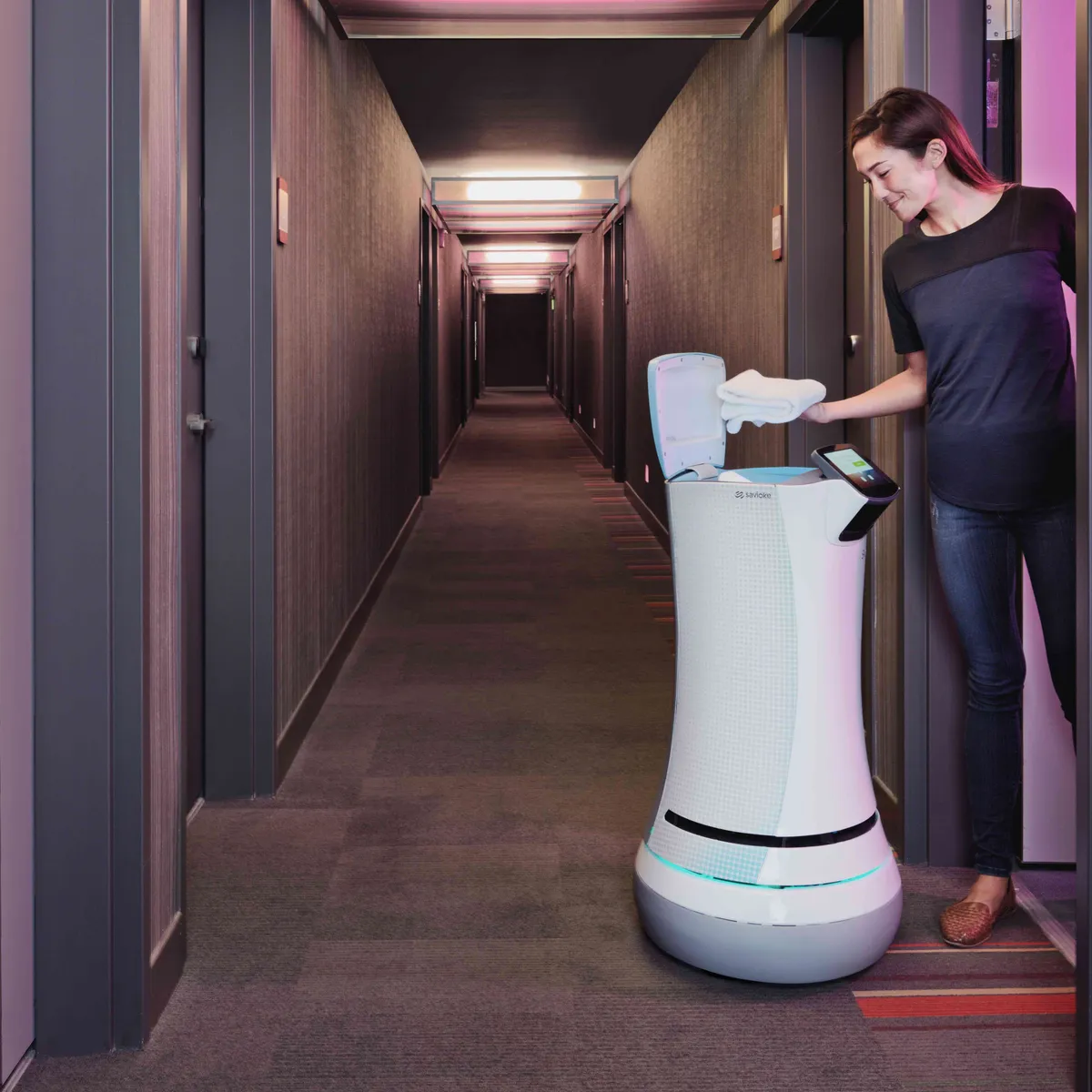
Robotic hospitality represents an emerging interdisciplinary domain at the intersection of robotics, artificial intelligence, and service management. This field focuses on the deployment of autonomous and semi-autonomous systems to enhance service delivery, operational efficiency, and customer experience in hospitality environments. This paper outlines the foundational components that support the development and scalability of robotic hospitality systems.
Research
Advancing human-robot interaction (HRI) in Hospitality
Redefining service quality: Development and validation of the robotic service quality scale
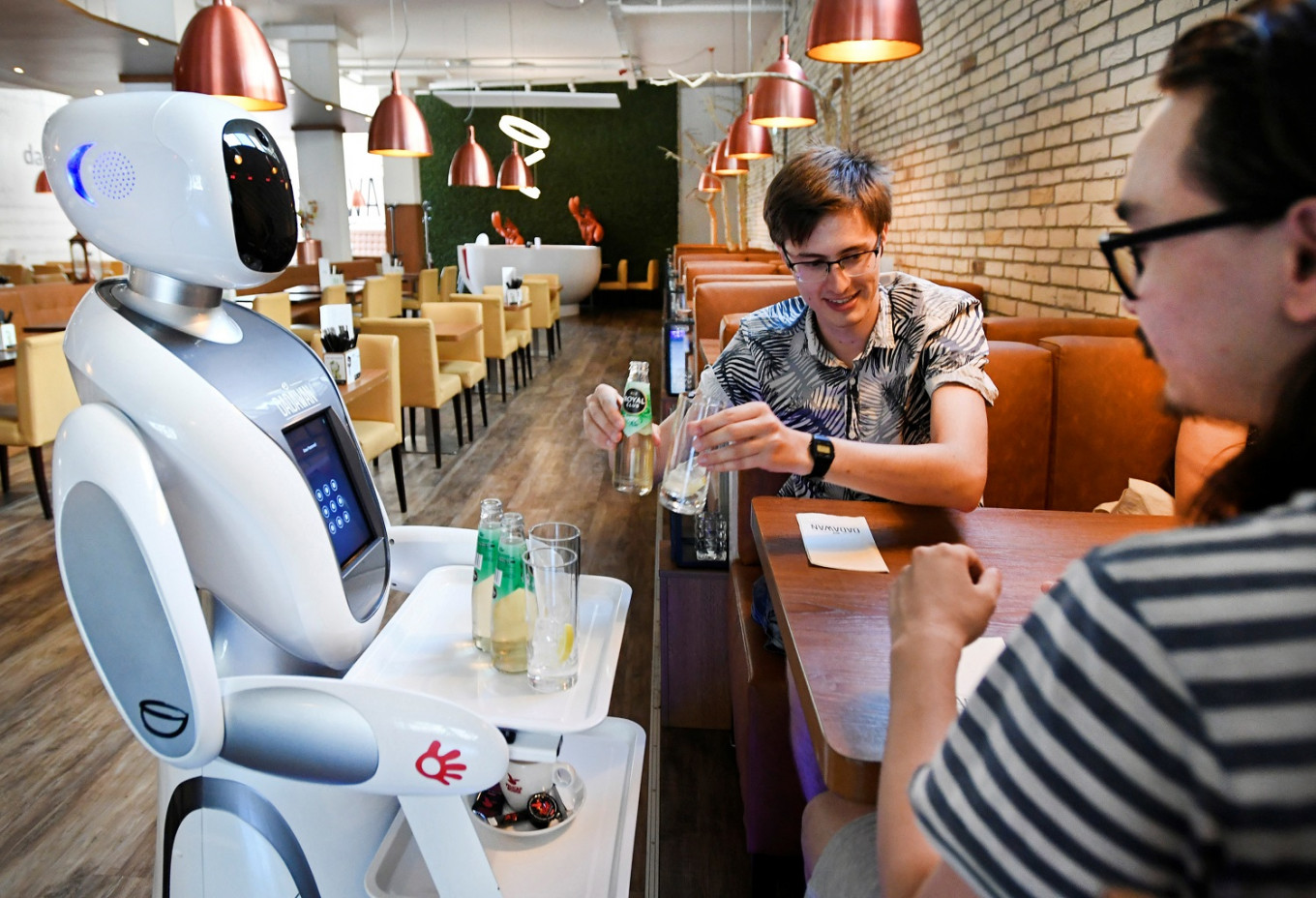
The expansion of robotic technologies in the hospitality industry is redefining traditional service interactions and customer expectations. Grounded in social exchange theory, this study presents a multidimensional framework for measuring the quality of robotic services in hospitality settings. Through a comprehensive literature review, five focus group studies, and a four-stage scale development process involving 1600 valid responses, this study develops and validates a multidimensional framework to assess hotel customers’ perceptions of robotic service quality (ROBOQUAL). The resulting framework comprises three key dimensions: robotic service quality, robotic task efficiency, and robotic empathy. The study highlights the transformative role of robotic service quality in shaping hospitality experiences, setting the foundation for future research in AI-driven service innovation. Theoretically, the validation of the ROBOQUAL scale provides a robust tool for future research by expanding the social exchange theory into the context of human-robot interactions (HRI). Practically, the insights gained from this study can guide hospitality managers in integrating robotic services more effectively to enhance customer satisfaction and operational efficiency

The role of perceived risk and information security on customers' acceptance of service robots in the hotel industry
This study proposed and tested a theoretical framework that investigated the influences of perceived risk and information security on hotel customers’ intention to use service robots. In addition, the impacts of self-efficacy, innovativeness, and facilitating conditions on perceived risk and information security were examined. Structural equation modeling (SEM) was used to test the proposed model by utilizing data collected from eleven countries including the United States, United Kingdom, Turkey, Spain, Romania, Japan, Israel, India, Greece, Canada, and Brazil. The study results demonstrated that perceived risk had a negative impact on customers’ intention to use service robots while information security had a positive impact. In addition, the study results indicated that self-efficacy negatively influenced perceived risk, and positively influenced perceived information security; and innovativeness and facilitating condition positively influenced information security. The study findings offer several important contributions to the hospitality robotics technology adoption literature and present valuable implications for hospitality practitioners and service robot vendors.

Interactive voice response systems: The double-edged sword of AI and the culture of hospitality in healthcare
The main objective of this research note is to turn healthcare organizations’ and scholars’ attention to the challenges experienced by patients as they interact with various artificial intelligence (AI)-based applications, particularly interactive voice response (IVR) systems, in the healthcare industry. While the existing literature reveals a substantial scholarly interest in the adoption and utility of these technologies in various contexts, the paucity of comprehensive research investigating how some of these technologies lie in contrast to the culture of hospitality in healthcare and the potential health and financial risks involved are striking. More importantly, a multi-dimensional assessment tool to measure the quality of AI-based healthcare services has not been established yet
Hotel customers’ behavioral intentions toward service robots: the role of utilitarian and hedonic values
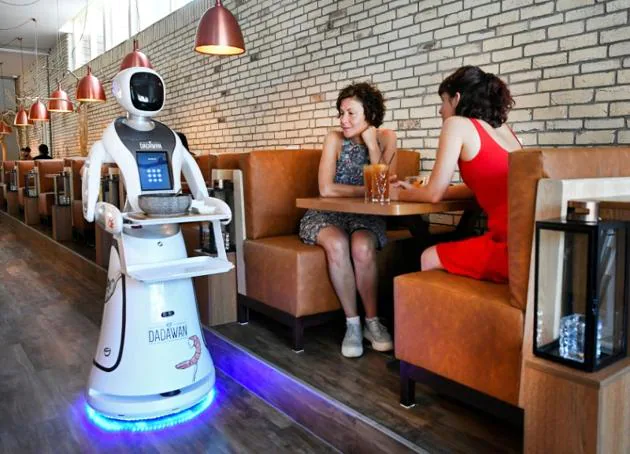
This study aims to investigate the effects of hotel customers’ perceived utilitarian and hedonic values on their intention to use service robots. In addition, the influences of innovativeness, ease of use and compatibility on hotel customers’ perceived utilitarian and hedonic values were examined.The data of the current study was collected from 11 countries including the USA, UK, Turkey, Spain, Romania, Japan, Israel, India, Greece, Canada and Brazil. A structural equation modeling was used to test the study hypotheses.The results indicated that hotel customers’ intention to use service robots was positively influenced by their utilitarian and hedonic value perceptions. In addition, customers’ perceptions of robots’ ease of use and compatibility had a positive impact on their perceived utilitarian and hedonic values.The findings of the current study provide unique contributions in the context of hospitality robotics technology adoption literature. In addition, this study provides valuable insights and novel opportunities for hospitality decision-makers to capitalize on, as they strive to strategize the integration of robot-based services into their operations

Measuring the perceived impacts of tourism: A scale development study.
Tourism brings with it several positive and negative impacts on destination communities. However, the real impacts of tourism are different from residents’ perspectives, which are shaped by multiple factors. The literature asserted a need for a more resident-oriented evaluation of tourism impacts, and this study aimed to develop and validate a scale to measure residents’ perceptions of tourism impacts following the inductive scale development process. The steps of the study included the generation of items, purification of items, and testing the reliability and validity of the scale. The results confirmed the validity of the residents’ perceptions scale that can be used in tourism research and practice to evaluate the impacts of tourism on residents’ communities.

Factors affecting hotel managers’ intentions to adopt robotic technologies: A global study.
The objective of this study that was conducted with 1077 hotel managers in 11 countries in North and South America, Europe, Asia and the Middle East, was to identify the effects of technological, organizational, and environmental (TOE) factors on hotel managers’ intentions to adopt robotic technologies in their hotels. Structural equation modeling (SEM) was utilized to test the study hypotheses. The results indicated that hotel managers’ intention to adopt robotic technologies were positively influenced by their perceived relative advantage, competitive pressure and top management support and negatively influenced by their perceived complexity of the technology. The study results further demonstrated that the impacts of relative advantage, complexity, top management support, and competitive advantage on intention to adopt were moderated by innovativeness. The current study also addressed the theoretical and practical implications to existing knowledge and practice in the hotel industry.

Virtual tourism and consumer wellbeing: A critical review, practices, and new perspectives.
Virtual tourism aided by revolutionary technologies—including virtual reality (VR), augmented reality (AR), and livestreaming (LS)—has been the topic of increased discussion among practitioners and academics as an innovative yet sustainable means of achieving tourism recovery. The emergence of virtual tourism provides a means of traveling and explorations of new places and has opened the possibilities for people to experience places and activities they may not have had the opportunity to have before. With these cutting-edge technologies, consumers’ wellbeing is creatively achieved and enhanced. Given the scarcity of literature on this topic, this chapter elaborates on the scope of virtual tourism, provides exemplary cases of its applications, synthesizes existing knowledge on this topic, and postulates new perspectives and priorities for future research endeavors. Furthermore, this chapter thoroughly examines the intricate connections between virtual tourism and consumer wellbeing, which has attracted considerable attention both in practice and in academia.
Customer Engagement with VR-enabled Tourism Activities at Cultural Heritage Sites
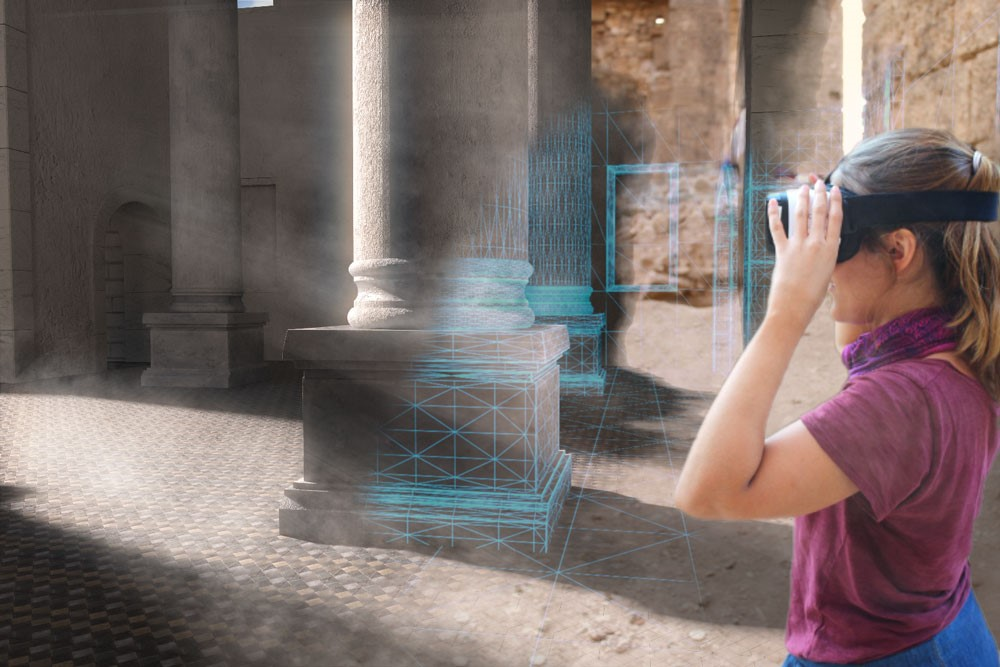
Despite the tremendous amount of academic interest in virtual reality (VR), the existing conceptual models that presented VR attributes as antecedents of users’ acceptance and attitudes, failed to examine the power of VR technologies in promoting the alternative attractiveness of virtual tourism compared to traditional onsite visitation. This is of great significance to the solution of over-tourism issues frequently seen in the today’s tourism destinations, especially worldfamous cultural heritage sites. Therefore, the present study fills the literature gap and empirically validates a conceptual framework that shows how visitors’ engagement with VR-enabled tourism activities could lead to an enhanced alternative attractiveness of virtual tourism, and their pro-cultural behaviors. A total of 571 valid responses from US visitors that have adopted VR-enabled tourism activities were collected to confirm the role of four VR attributes, ie, immersion, vividness, presence, and enjoyment, in motivating users’ engagement behaviors with VR tourism activities. The study findings also testified that visitors who engaged with VR tourism activities are likely to adopt pro-cultural behaviors in the future and assessed the alternative attractiveness of VR tourism against the traditional onsite visitation. The findings will provide valuable implications for policymakers who aspire to preserve the cultural heritage sites while promoting cultural heritage destinations through advanced VR technologies
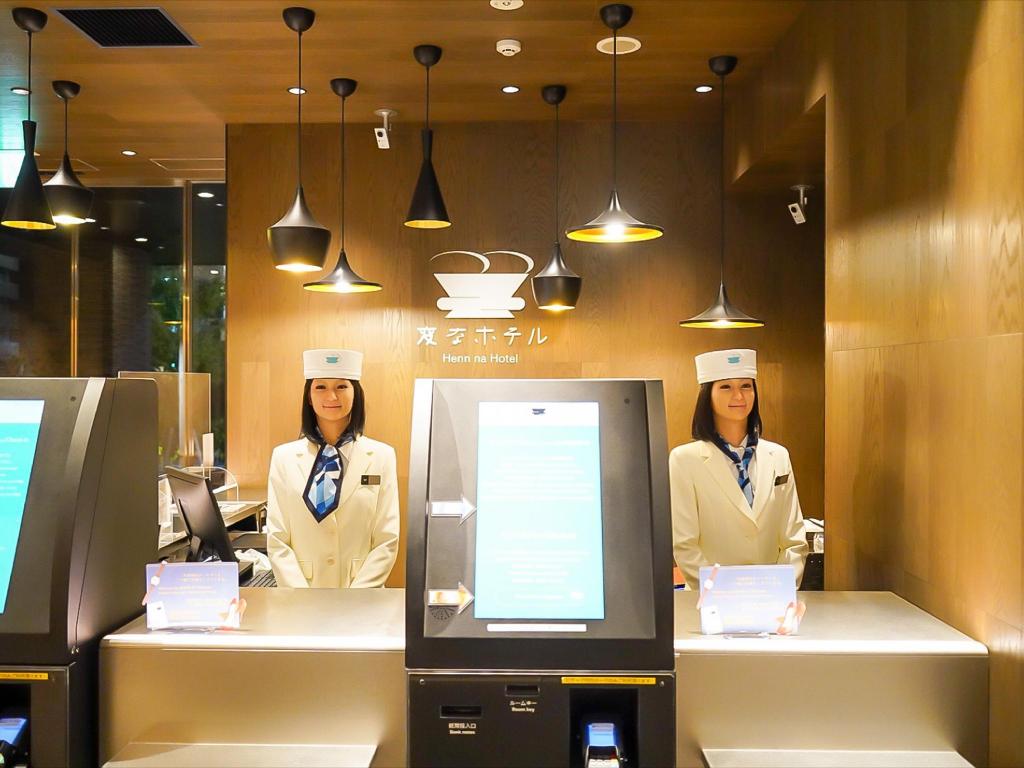
An Assessment of the Hotel Customers’ Robotic Service Quality Perceptions: Scale Development and Validation
Hotel customers’ interactions with service robots are becoming increasingly common, raising questions about how these interactions impact their experience. To address this gap in knowledge, this dissertation develops and validates a novel robotic service quality (ROBOQUAL) scale. Drawing on social exchange theory, the study examines the reciprocal relationship between hotel customers and artificially intelligent service robots, exploring how robotic service quality influences customers’ perceptions of experience quality, satisfaction, and word-of-mouth intentions. The research employs focus-group studies, exploratory factor analysis (EFA), confirmatory factor analysis (CFA), and partial least squares equation modeling (PLS-SEM) to develop and validate the ROBOQUAL scale.